Who qualifies as a surviving spouse for tax purposes?
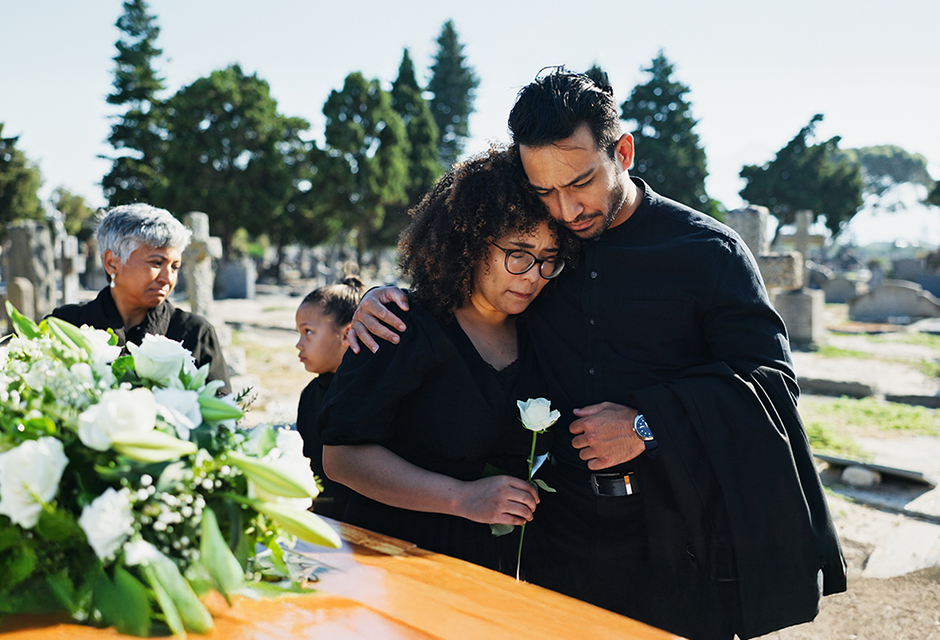
The death of a spouse creates emotional and financial challenges for surviving family members. It can also raise important tax questions, including which filing status a taxpayer should use after the year of the spouse's death and the years that follow. While many taxpayers assume they must file as single or head of household, some may qualify for the qualifying surviving spouse filing status, which provides valuable tax benefits for up to two years after the year of death if specific IRS requirements are met.
What is the qualifying surviving spouse filing status?
The qualifying surviving spouse filing status allows an eligible taxpayer to use the same tax rates and standard deduction available to married taxpayers filing jointly. However, the taxpayer doesn't file a joint return. Instead, the return is filed using the qualifying surviving spouse filing status.
This filing status can reduce a client's tax liability during a difficult transition period, making it an important planning opportunity for surviving spouses.
Who qualifies?
A taxpayer must meet all of the IRS requirements to use the qualifying surviving spouse filing status.
To qualify, the taxpayer must:
- Have been entitled to file a joint return with the deceased spouse for the year the spouse died, even if a joint return wasn't filed
- Remain unmarried through the end of the current tax year
- Have a child or stepchild, but not a foster child, whom the taxpayer can claim as a dependent or could claim except for specified IRS exceptions
- Have the child or stepchild live in the home for the entire year, except for temporary absences
- Pay more than half the cost of keeping up the home for the year
Missing just one of these requirements means the taxpayer isn't eligible to use this filing status.
The two-year window
One of the most misunderstood rules involves timing.
A surviving spouse may file a joint return for the year the spouse died if the requirements for married filing jointly are met. After that, the qualifying surviving spouse filing status is available for the next two tax years, provided all eligibility requirements continue to be satisfied. After the two-year period ends, the taxpayer must qualify for another filing status, such as head of household or single.
Because the filing status is available for only two years, tax professionals should verify the year of death before preparing the return.
Don't overlook the child residency rules
A child or stepchild is central to this filing status.
The child or stepchild must live in the taxpayer's home for the entire year except for temporary absences, such as school, medical care, military service or vacation. Special rules apply if the child is born or dies during the year or is kidnapped. A child adopted or lawfully placed for adoption during the year may be treated as living with the taxpayer for the entire year if the home was the child's main home for the entire period after adoption or placement.
These exceptions can preserve eligibility when family circumstances change during the year.
Home expenses matter
Another requirement that deserves careful attention is the cost of maintaining the home.
The surviving spouse must pay more than half the cost of keeping up the home during the tax year. These costs include household expenses associated with maintaining the home. Reviewing how household expenses were paid can help determine whether this requirement has been satisfied.
Help clients avoid filing status mistakes
Selecting the correct filing status affects more than the tax rates applied to a return. Filing status also determines the standard deduction and eligibility for certain tax benefits. Choosing the wrong filing status can delay return processing or result in an incorrect tax liability.
When working with surviving spouses, take time to verify the year of death, marital status at year-end, household expenses and whether the taxpayer has a child or stepchild who meets the IRS requirements. Asking these questions early in the tax preparation process can help ensure clients receive every tax benefit available under the qualifying surviving spouse filing status.
About the author(s)

NATP Staff