When state legislators can deduct living expenses
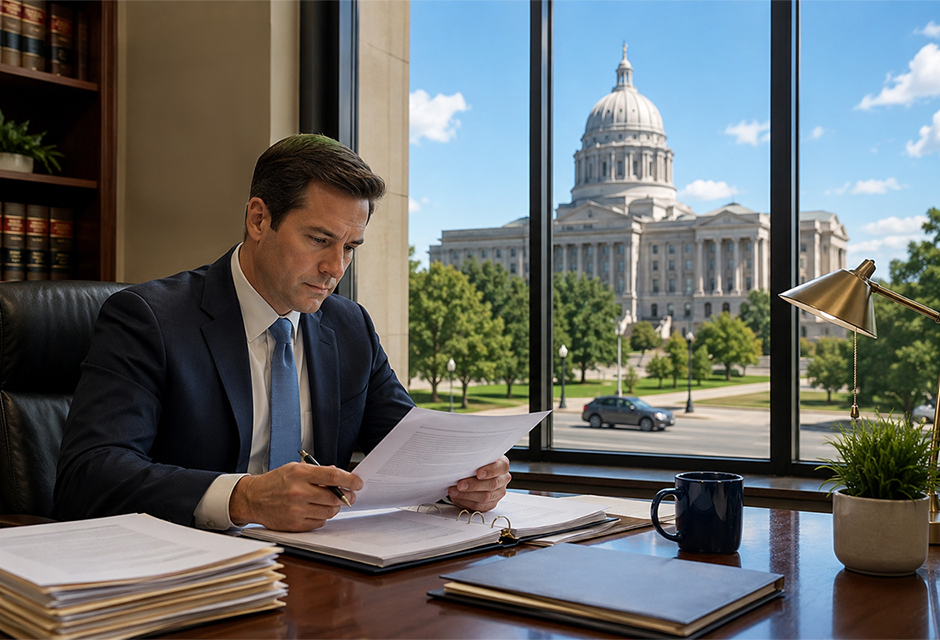
State legislators often divide their time between their home district and the state capitol. Because legislative duties may require extended travel away from home, Congress created a special tax rule that allows certain legislators to deduct qualifying living expenses calculated under the special rule for legislative days while serving in office.
Under §162(h), eligible state legislators may elect to treat their residence within the district they represent as their tax home. This exception differs from the general tax home rules that apply to most taxpayers and can provide valuable tax benefits for qualifying legislators.
Understanding the special tax home rule
A tax home is generally the principal place where a taxpayer conducts business. State legislators face a unique situation because they may spend significant time working at the state capitol while maintaining a residence in the district they represent.
Who is eligible to make a §162(h) election?
Not every state legislator qualifies for the election. To be eligible, a legislator must maintain a residence within the legislative district they represent and live more than 50 miles from the state capitol. Legislators who live 50 miles or less from the capitol are not eligible to make the election, regardless of commuting time or travel costs.
Making the election
The election is not automatic. Eligible legislators must make the election for each tax year in which they want the special tax home rules to apply.
The election is made by attaching a statement to the taxpayer’s federal income tax return for the year the election is made. Because the election must generally be made by the due date of the return, including extensions, tax professionals should discuss the option with eligible clients before filing.
What is considered a “legislative day”?
A “legislative day” is an important component of calculating deductible expenses under the special rule. Legislative days generally include days when the legislature is in session or days during a recess of four consecutive days or fewer. Additionally, legislative days are recognized when a legislator's attendance is formally recorded at a legislative committee meeting.
Because legislative responsibilities often extend beyond formal floor sessions, these rules also recognize certain committee meeting days when the legislature is not in session, and the legislator’s physical presence is formally recorded.
What expenses can be deducted?
When the election is in effect, an eligible legislator is treated as being away from home on each legislative day. This treatment may allow the deduction of qualifying living expenses incurred in connection with legislative service.
The deduction is generally calculated using the applicable per diem rate, based on the greater of the federal employee per diem or the legislator’s state per diem, with the state per diem capped at 110% of the federal employee per diem.
However, expenses reimbursed by the state or another source cannot be deducted.
Next steps for claiming the state legislator deduction
Confirm that the taxpayer qualifies as a state legislator, maintains a residence within the represented district and lives more than 50 miles from the state capitol. Ensure the election was properly made and that any claimed expenses were not reimbursed.
Remember that documentation remains critical. Maintaining records that support eligibility, legislative days and deductible expenses can help substantiate the deduction if questions arise.
About the author(s)

NATP Staff