Preparing taxes for a farmer: the run down
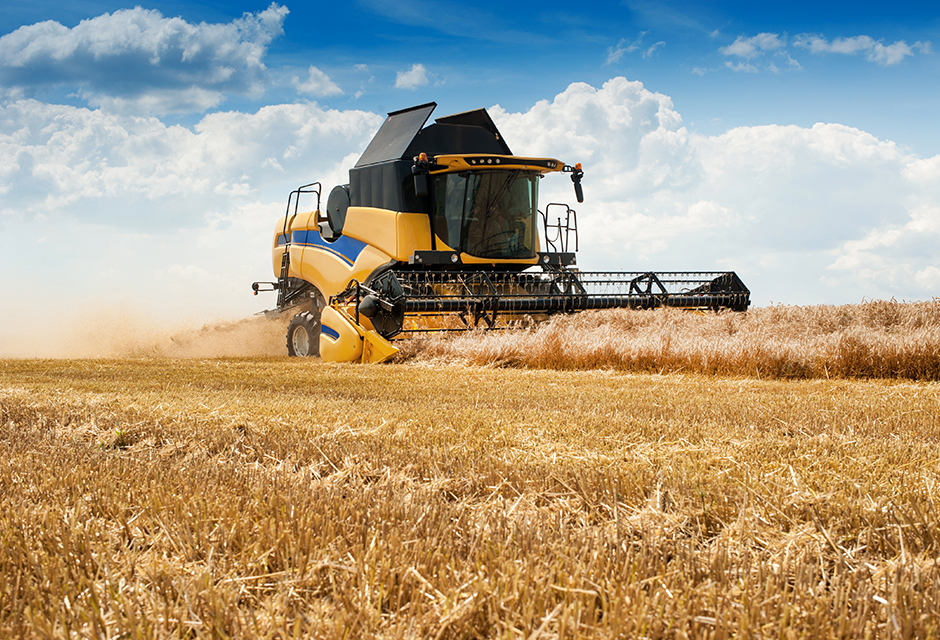
Preparing taxes for farmers involves its own set of challenges because they face tax rules that are different from most other businesses. You need to consider an array of specific situations related to farming, such as: accounting methods, income and expenses, depreciation, and tax credits and deductions.
Below, you’ll find a few of the top questions from a recent webinar on the topic and their accompanying answers. If you choose to attend the on-demand version of this webinar, you’ll have access to the full recording and the entire list of Q&As.
Q: Can you go back and amend the 2020 return and prepare Schedule J, Income Averaging for Farmers and Fishermen, to average 2018 –2020, and then amend 2021 and 2022 for averaging?
A: Yes, you can amend an open year return to elect income averaging by utilizing Schedule J.
Q: What happens if you amend 2019 –2021 later for some other reason? Does that affect 2022 numbers and require amending the 2022 return as well?
A: Yes, if you amend a return for one of the base years, this would require a recalculation of the tax in 2022 on Schedule J.
Q: Do each of the prior three years need farming income or can I average all income on the return?
A: You aren’t required to have been in the business of farming or fishing during any of the base years. As such, you can use income averaging in a base year in which the farming activity did not exist.
Q: How many times can we use Schedule J?
A: There is no limit on Schedule J. Therefore, you should use it whenever it would benefit the client.
To learn more about preparing taxes for a farmer, you can watch our on-demand webinar. NATP members can attend for free, depending on membership level! If you’re not an NATP member and want to learn more, join our completely free 30-day trial at go.natptax.com/explore.
About the author(s)

NATP Staff