New federal hemp rules: what tax pros need to know
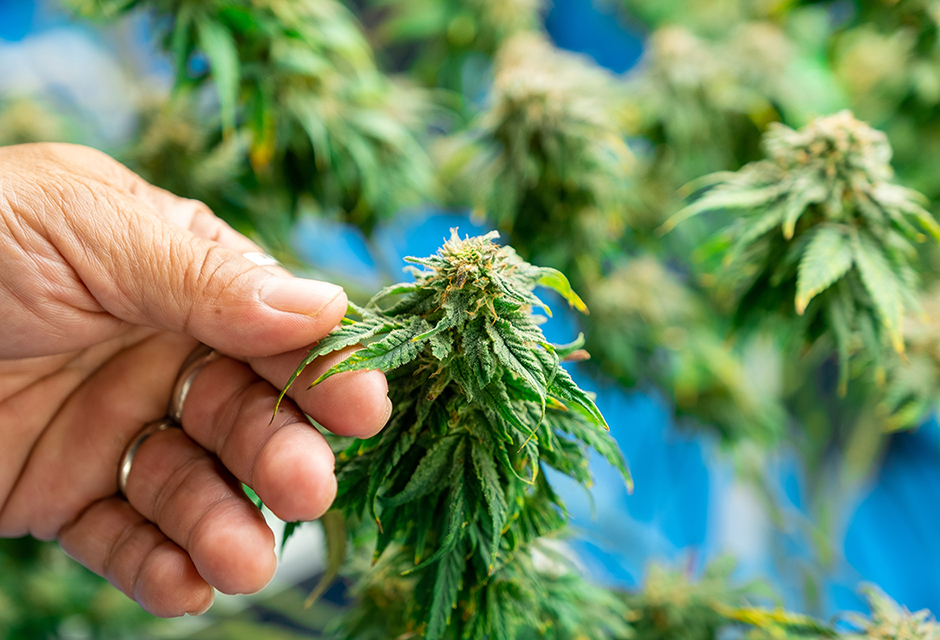
When Congress ended the federal shutdown with the final appropriations bill, it also quietly rewrote key federal hemp rules. The new law, in Section 781, tightens the legal definition of hemp, or cannabis grown with very low THC levels under federal law. It also sharply limits how much THC, the primary intoxicating compound in cannabis, can be in finished products and puts many synthetic, intoxicating cannabinoids like Delta-8 and THCA at risk of being pushed off the legal hemp market over the next year. If you have clients who grow hemp, manufacture infused products or sell them at retail, this is not just a farm-policy story. It’s a story about unsellable inventory, impeded cash flow and entity structure revisions.
What did Congress actually change?
Earlier drafts of the bill in the Senate would have flat-out banned most hemp-derived THC products, including Delta-8 and THCA. That language did not survive. Instead, the final appropriations bill takes a different path: it narrows the legal definition of hemp and adds strict limits on certain cannabinoids.
Two pieces matter most:
- One section protects hemp grown under the 2014 and 2018 Farm Bills, so compliant hemp does not suddenly become illegal overnight.
- Another section rewrites the definition of "hemp" and adds a new cap on how much total THC and similar-effect cannabinoids can be in a final consumer product.
There is a one-year transition period before the new definition and product limits fully apply. During that year, most existing hemp products can still be grown, shipped and sold under current rules, but businesses that rely on hemp-derived THC need to decide whether to reformulate, run down inventory or exit those product lines before the deadline.
Is this really a "ban"?
On paper, Congress did not pass a simple blanket ‘Delta-8 is banned’ rule. Instead, it:
- Keeps the familiar 0.3% THC limit, but treats that as total THC, including THCA and other forms
- Excludes cannabinoids that are made by chemically converting another compound outside the plant
- Caps the total amount of THC and THC-like cannabinoids at 0.4 milligrams per container for finished consumer products
For context, many hemp gummies, vapes and beverages on shelves today contain several milligrams of THC per serving and tens of milligrams per package, far above that new cap. As a result, most intoxicating hemp products will not fit inside this new box after the transition year, which is why many news outlets and industry groups are calling this an effective ban on those items, even though industrial hemp and some very low-THC products remain allowed. When speaking with clients, a fair, plain-language summary is: hemp is still legal, but the slice of the market that sells “hemp that gets you high” is at serious risk.
How could this affect your hemp and cannabis clients?
If you have clients anywhere along this chain, they are likely affected:
- Growers and processors. Farms focused on cannabinoid-rich hemp flower may lose key buyers. Processors that specialize in converting cannabinoids into Delta-8 or similar products are directly in the crosshairs of the new hemp definition, which excludes synthetic cannabinoids made outside the plant.
- Manufacturers. Edible and beverage makers may need to reformulate their products, adjust serving sizes or discontinue certain products altogether.
- Retailers. Shops that rely heavily on hemp-derived THC products could see many of their best-selling items no longer qualify as legal “hemp” under federal law.
- States and localities. Many states allow hemp-derived products and collect sales or excise tax on them. Those revenue streams, along with the related compliance rules, may need to be reset.
For many businesses, this is not just about next year’s profit projections. It is about what happens to existing inventory, leases and financing if a significant product line is discontinued.
When hemp rules meet tax rules: planning steps for your firm
Here are practical ways a tax practice can help clients during the one-year transition.
- Identify your exposure. Run a quick client scan: who grows hemp, processes cannabinoids, makes infused products or sells them at retail? Flag those files now to avoid year-end surprises.
- Ask about products and potency. Encourage clients to gather labels and certificates of analysis for their main products. You do not need to be a chemist, but you do need to know whether a product is likely to exceed the new per-container limits and may need to be reformulated or pulled from the shelf.
- Plan for inventory and write-downs. If a client expects to discount, destroy or give up certain products, talk now about whether those inventory hits can be written off, how much is deductible and when the deduction will show up on the tax return.
- Revisit structure and §280E risk. If some products fall out of the "hemp" category and are treated like federally illegal cannabis, §280E can limit business deductions. Mixed operations may need to think carefully about entity structure and cost allocations.
- Watch for guidance and state reactions. Federal agencies still need to define some terms and publish lists of covered cannabinoids. States may also revise their own hemp rules and tax treatment. Consider adding a reminder to your calendar to revisit this topic with affected clients before the end of the transition year.
What these new hemp rules mean for your tax practice
Congress did not erase hemp from the tax landscape, but it did sharply narrow what qualifies as legal hemp at the federal level. That shift can lead to discontinued products, inventory write-offs and, for some clients, new exposure to cannabis-style tax rules. If you serve growers, processors or retailers in this space, use the next 12 months to help them map which products survive, manage inventory and revisit entity structure before the new hemp rules fully take effect.
About the author(s)

NATP Staff