Final regulations expand qualified nonpersonal use vehicle rules
The IRS released final regulations that update the definition of qualified nonpersonal use vehicles under §132, which also affects substantiation requirements under §274. These changes clarify existing rules and expand eligibility, potentially reducing compliance burdens for employers and employees.
Why this matters
Under §274, taxpayers must generally substantiate expenses related to listed property, including vehicles. However, vehicles that meet the definition of qualified nonpersonal use vehicles and are used in such manner are exempt from these requirements. If there is any personal use beyond what is permitted, substantiation requirements may still apply.
Under §132, the use of a qualified nonpersonal use vehicle is excluded from income as a working condition fringe benefit only to the extent that the use would be deductible if the employee paid for it. Personal use (other than de minimis use or permitted commuting) may still be taxable.
What’s new in the final regulations
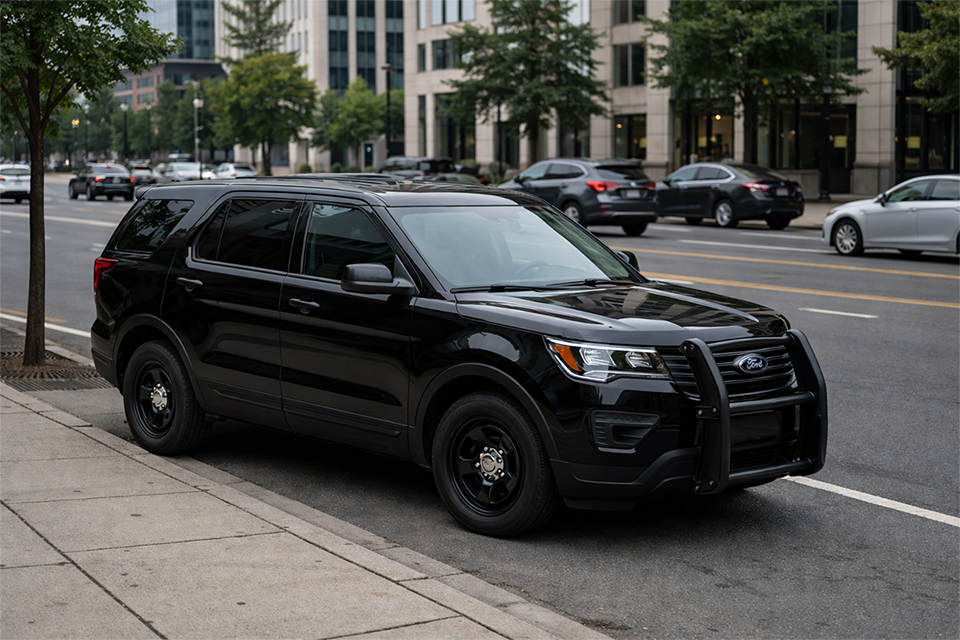
The key change is the expansion of the definition to include certain unmarked vehicles used by firefighters, rescue squad members and ambulance crews. Previously, the rules focused on clearly marked emergency vehicles and certain unmarked law enforcement vehicles.
The final regulations expand the definition to include unmarked vehicles used by "qualified public safety employees," which includes firefighters, emergency medical technicians, paramedics, and similar emergency responders. By including these vehicles, the IRS aligns the rules with current practices and provides consistent treatment across public safety roles.
Qualification requirements
To qualify, the vehicle must be owned or leased by a governmental unit and assigned to employees who are required to be on call. Personal use must be limited. Commuting and minimal personal errands may be allowed, but other personal use must generally be prohibited.
What to review now
Tax pros should work with governmental clients to review vehicle policies and confirm compliance with the updated rules. Proper classification can eliminate substantiation requirements and prevent unintended income inclusion.
This includes evaluating:
- Vehicle assignments and usage policies
- Restrictions on personal use
- Documentation supporting qualification
The final regulations modernize existing rules by expanding eligibility to additional emergency responder vehicles. For tax professionals, this is an opportunity to ensure clients apply the updated guidance correctly and take advantage of reduced administrative requirements.
About the author(s)

NATP Staff