AI in tax practice: Circular 230 sets the standard
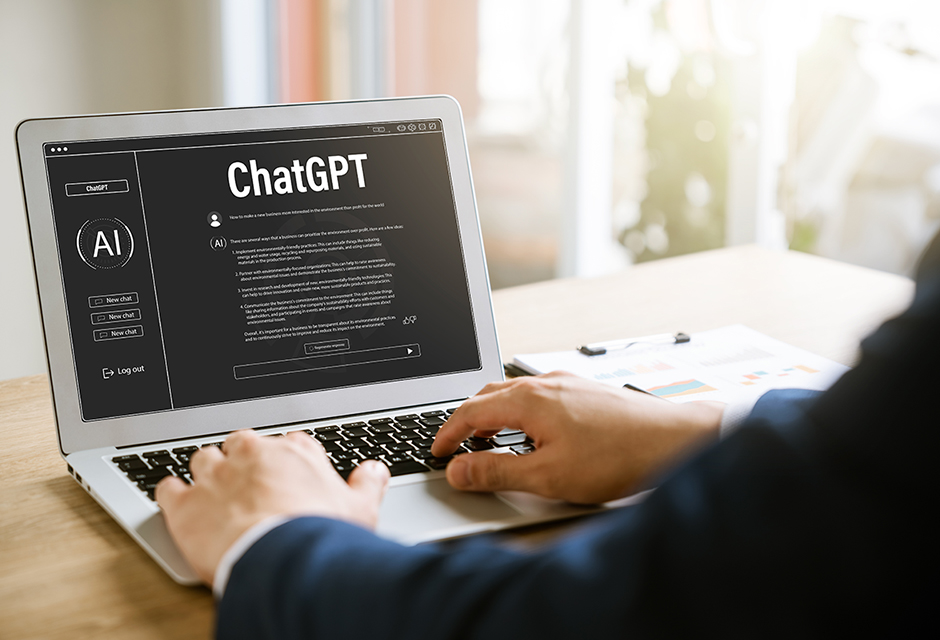
Artificial intelligence (AI) is already embedded in many of the tools firms use for research, document review, workflow management and client communications.
As AI adoption accelerates, the IRS Office of Professional Responsibility (OPR) has issued its first guidance addressing the use of artificial intelligence in federal tax practice. The guidance does not create new ethical rules. Instead, it reinforces an important principle: existing Circular 230 standards apply regardless of the technology used to perform the work.
Circular 230 provides the framework
One of the most significant takeaways from the OPR guidance is that practitioners do not need a separate framework for evaluating AI. Rather than asking whether AI is permissible, tax professionals should ask whether their use of AI satisfies existing standards for due diligence, competence, written advice, confidentiality and firm oversight. Improper use of AI violates the Circular 230 framework.
Applying due diligence to AI
Circular 230 requires practitioners to exercise due diligence when preparing returns, preparing documents and making representations to clients and the IRS.
Generative AI systems can quickly summarize complex topics and draft written content. While these capabilities can save time, they can also create risk. AI-generated responses may contain inaccurate analysis, outdated information or citations that do not exist.
Example: A practitioner asks an AI tool to summarize recent guidance affecting a client's research credit claim. The response includes citations and a recommended tax position.
Before relying on that analysis, the practitioner should verify the cited authorities, confirm that the guidance is current and determine whether the conclusions apply to the client's facts and circumstances. The responsibility for the final advice remains with the practitioner.
A useful approach is to treat AI-generated content the same way you would treat work prepared by a new staff member. The information may be helpful, but it still requires verification and professional judgment.
Competence includes understanding AI tools
Increasingly, firms must also understand the technology they use to serve clients. According to OPR, competence extends beyond technical tax knowledge and requires understanding the capabilities and limitations of the AI tools they use.
Before relying on an AI platform, consider:
- What sources of information support the tool?
- How current is the data?
- What limitations are known?
- How are errors identified?
- What safeguards protect client information?
Whether advice is delivered through a formal memorandum, email or client portal message, practitioners remain responsible for ensuring that the analysis is based on accurate facts and legitimate authority.
Protect taxpayer information
Tax professionals routinely handle Social Security numbers, financial records, business data and other sensitive information. Existing confidentiality obligations continue to apply when AI tools are used.
Before entering taxpayer information into an AI platform, firms should understand:
- How data is stored
- Whether information is retained
- Whether information is used for model training
- What security controls are in place
- Whether contractual protections are available
The bottom line
The IRS continues to emphasize the importance of safeguarding taxpayer data and maintaining appropriate information security procedures. Artificial intelligence will continue to evolve, but the IRS's message is clear. Technology does not alter a practitioner's responsibility to exercise due diligence and protect taxpayer information.
About the author(s)

NATP Staff