Agricultural taxation requires a different approach
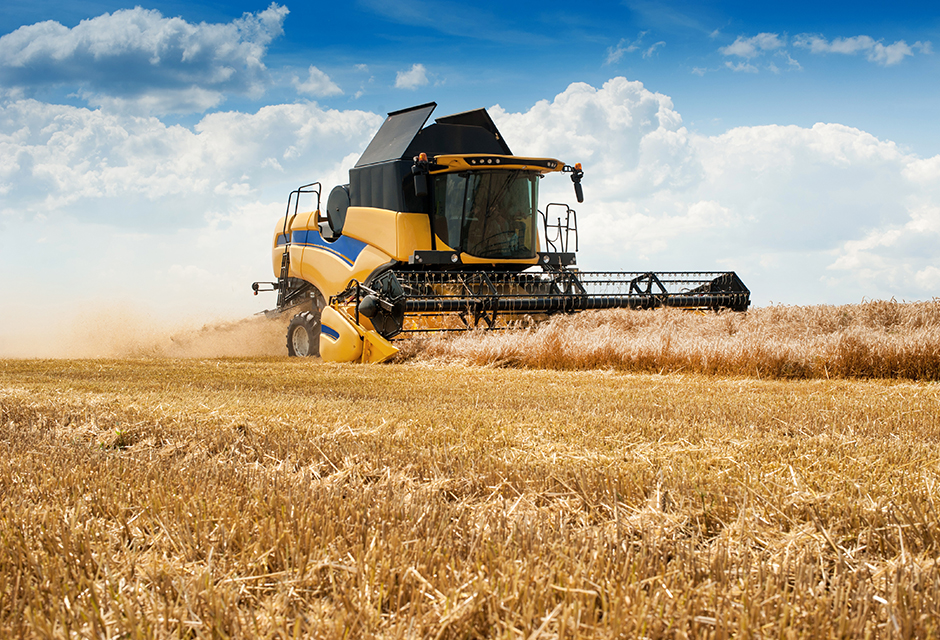
At first glance, a farming client may look like any other sole proprietor. They have income, expenses, equipment purchases and business decisions that affect their bottom line. Dig a little deeper, however, and it becomes clear that farming is a unique industry with tax rules that can quickly complicate return preparation and planning.
From Schedule F reporting and self-employment tax to depreciation, government payments and loss limitations, farming clients often present issues that differ significantly from those faced by other small business owners.
Looking beyond Schedule F
Many agricultural taxpayers report their activity on Schedule F, Profit or Loss from Farming, but preparing a farm return involves much more than entering income and expenses. Farmers often have multiple revenue streams, each with their own reporting considerations.
A client may receive income from the sale of crops, livestock or other agricultural products while also collecting crop insurance proceeds or participating in government agricultural programs. Each source of income can raise questions about timing, reporting requirements and tax treatment.
For practitioners, one of the most important steps is understanding how the farming operation actually functions. Asking detailed questions about production activities, revenue sources, and long-term business goals can uncover reporting issues and planning opportunities that might otherwise be missed.
Depreciation is more than a year-end deduction
Few industries rely on capital assets as heavily as farming. Tractors, combines, irrigation systems, grain bins, barns and breeding livestock represent significant investments that often affect tax planning for years.
While depreciation is a familiar concept, agricultural operations present unique considerations. Decisions involving asset classifications, recovery periods, and expensing elections can have a substantial impact on taxable income and future deductions.
The treatment of livestock adds another layer of complexity. Raised livestock and purchased livestock are not always treated the same for tax purposes, making it important for practitioners to understand how those distinctions affect basis, depreciation and gain or loss calculations.
Understanding income that doesn't come from the farm gate
Many farming clients receive income that falls outside traditional product sales. Agricultural program payments, conservation incentives and crop insurance proceeds can represent a significant portion of annual revenue, particularly during years affected by drought, flooding or market volatility.
These payments often come with special tax considerations that may not apply to other businesses. Failing to understand the reporting rules can create compliance issues while overlooking planning opportunities may result in unnecessary tax liability.
Self-employment tax remains a frequent challenge
Determining which types of farm-related income are included in net earnings from self-employment requires careful analysis. Certain exceptions and special rules may apply depending on the nature of the activity and the type of income involved.
Because self-employment tax can significantly affect a client's overall tax liability, practitioners should review income sources carefully and address potential issues before filing season deadlines create unnecessary pressure.
When losses raise questions
Unlike many businesses, farming operations are heavily influenced by factors outside the taxpayer's control. Weather conditions, commodity prices, labor shortages and equipment costs can all affect profitability. As a result, losses are not unusual in the agricultural industry. However, repeated losses often raise questions about profit motive and whether the activity qualifies as a trade or business. This inquiry is tied to the hobby-loss rules under §183 .
Consider a client who reports farm losses for several consecutive years following severe weather events and rising operating costs. While the losses may be legitimate, practitioners should ensure the client maintains documentation that supports the business purpose of the operation and demonstrates efforts to operate profitably.
New opportunities for farmland owners
Tax professionals should also be aware of emerging planning opportunities that may affect farming clients.
One example is the new §1062 election, added to the Internal Revenue Code by the One Big Beautiful Bill Act (OBBBA). Under this provision, a taxpayer who sells qualified farmland property farmed (or leased to a qualified farmer) for substantially all of the 10 years before sale to a qualified farmer may elect to pay the resulting tax liability in four equal annual installments. The election requires a 10-year use covenant and must be made by the due date of the return for the year of sale. For clients considering retirement, succession planning or a significant land transaction, understanding this provision may create valuable planning opportunities and improve cash flow management.
Helping farming clients make informed decisions
Agricultural taxation extends far beyond basic business reporting. Farming clients face unique challenges involving income recognition, depreciation, self-employment tax, government payments, loss limitations and long-term planning decisions.
Learn what makes farming clients different from other business taxpayers so you can navigate the tax rules that shape farm income, deductions, losses and long-term planning decisions. Join NATP's Navigating Common Tax Issues for Farmers webinar on Aug. 17 to explore the reporting rules, planning opportunities and practical considerations that can help you confidently serve agricultural clients and add greater value to every engagement.
About the author(s)

NATP Staff